
Last updated on February 8, 2026
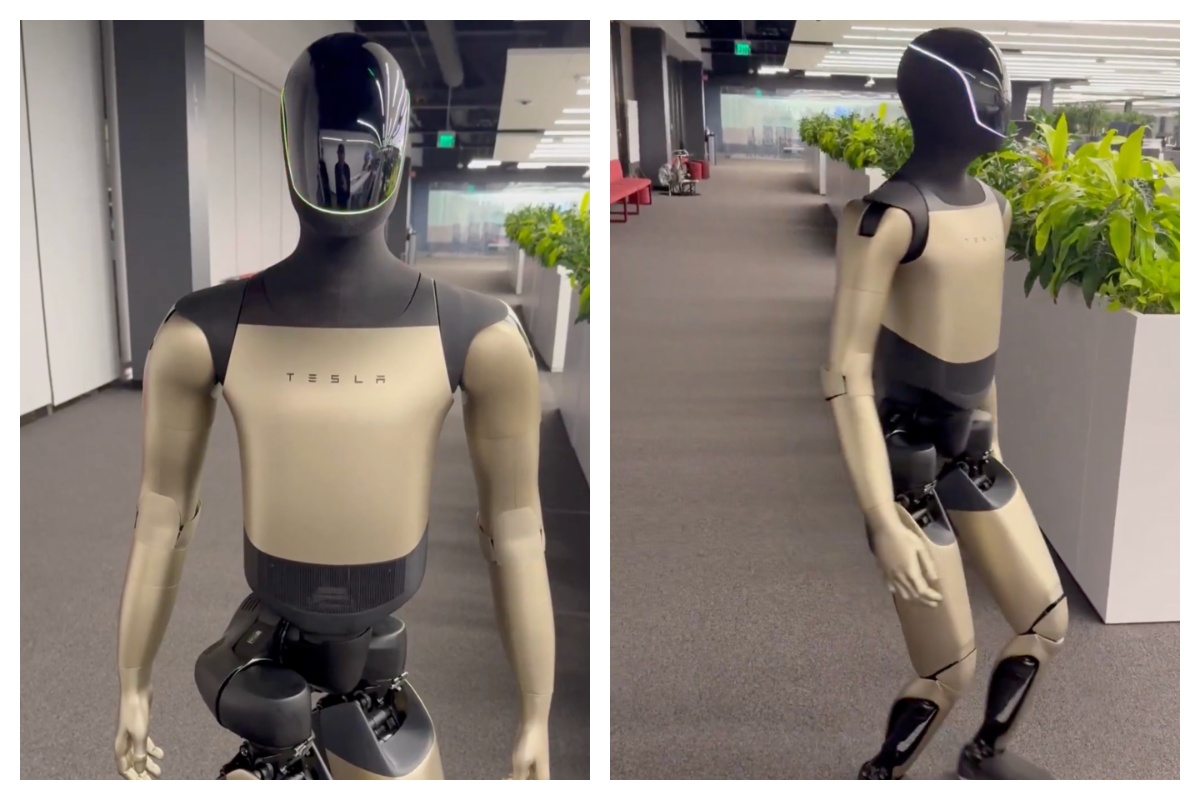
The change from robots on wheels to robots on legs is finally coming true. We are heading towards AGI from AI era. It is a vast versatile innovation and in currently in production. It is ready to hit the market very soon. As of early 2026 the Tesla Optimus Gen 3 is under production in Tesla’s Giga Factories.
In this post we will further know about the neural brain powered by AI5, the hardware architecture and technical specifications of Tesla Optimus Gen 3. We will look forward how it is different from other robotics.
1. Hardware Architecture: Biomimicry Meets Gigacasting
Optimus Gen 3 design is pure genius, comprising of structural efficiency and scalability by Tesla. After making the best EV cars of the world, they came up with the best of humanoid robots now. Tesla is utilising the same Model Y and Cybertruck manufacturing techniques in humanoid robots. Optimus Gen 3 weighs 57 kg (125 lbs), which represents a 22% reduction compared to Gen 2.
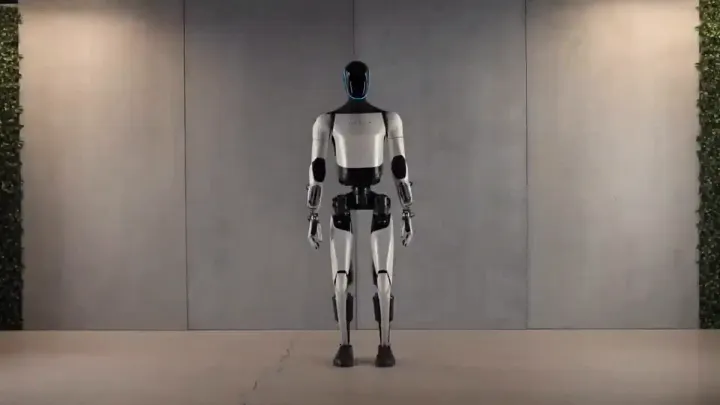
Actuation and Kinematics
The series of custom designed electromechanical actuators give motion to the Humanoid Robots. Its not like other off-the-shelf industrial technology, its based on torque density and back-drivability, which allows the robot to be safe and human friendly.
| Total Degree of Freedom(DoF) | 40+ across the whole body |
| Dynamic Balance | It can carry 20 kgs (45lbs) payload. The centre of gravity is well maintained even for odd surfaces as well as smooth surfaces. It has integrated foot force/torque sensors which helps it in maintaining stable centre of gravity |
Magic Hands of Tesla Optimus Generation 3
The generation 3 features a tendon driven hand system with around 22 Degrees of Freedom . This somehow helps the humanoid to achieve human like features, and helps to handle 4680 battery cells or manipulate small clips with tactile feedback.
Power management in the Humonoid
Optimus is centrally mounted with 2.3 kWh battery pack and operates at 52V.
Endurance: 8-10 hour of work, roughly one full shift
Charging: Detects the low battery and automatically goes to the power source without human intervention
2. Technical Specifications: A Comparative Overview
The leap from Gen 2 to Gen 3 represents a shift from “learning to walk” to “learning to work.”
| Specification | Optimus Gen 2 (2024) | Optimus Gen 3 (2026) |
| Height | 173 cm (5’8″) | 173 cm (5’8″) |
| Weight | 73 kg (160 lbs) | 57 kg (125 lbs) |
| Hand Dexterity | 11 DoF (Direct Drive) | 22 DoF (Tendon-Driven) |
| Walking Speed | 8 km/h (5 mph) | 10–12 km/h (7 mph) |
| Battery Life | ~6 Hours | 8–10 Hours |
| Compute Platform | FSD Computer | AI5 (Next-Gen Robotics Suite) |
3. End to End Neural Network “The Brain”
Tesla for Optimus Gen 3 left “if-then” heuristic based programming and moved towards End-End neural networks. It has a learned policy, not a walking script.
The AI5 Inference Engine
The Optimus Generation 3 has AI5 chip. It’s a specialised silicon chip designed for high throughput visual processing.
Vision-Only System: Optimus has eight Autopilot cameras similar to Tesla vehicles. Occupancy Networks in Optimus Gen 3 used to create 3D vector space of its environment.
World Model: The Optimus Gen 3 uses foundation models to predict the physics of its ecosystem. Suppose a object is dropped it will attempt a mid air catch or a corrective recovery by understanding the trajectory.
Training via Imitation and Simulation
The intelligence of Optimus Generation 3 is derived from two sources:
Teleoperation: It is operated by humans wearing VR suits to perform tasks. The robots record the data and neural network filters out the movement into the generalisable skills.
Dojo Supercomputing: Multi million hours of simulation run in virtual environments. Engineers run simulated hours to test the edgiest cases, such as obstacles and slippery floors. They complete this testing before the robot ever touches a factory floor.
4. Industrial and Domestic Applications
Optimus Gen 3 initially launches at Giga Texas and Giga Berlin to handle logistics and quality inspection. Engineers designed the architecture for general utility as well.
Logistics: Palletising and depalletising in warehouse ecosystems
Manufacturing: Autonomous sorting of fasteners and small components.
Future Domestic Use: Tasks like laundry folding, grocery carrying, and light cleaning, targeting a consumer price point of $20,000 to $30,000 at scale. The 22 DoF hands is prepping Optimus for these stuffs.
5. Summary and Future Outlook
The Tesla Optimus Architecture is more efficient in logistics, manufacturing, automotive and automations. Neural capacity overpowers mechanical complexity. Tesla has made Optimus more efficient in understanding the world closer to humans.